Cap and Trade is Too Small


The current plan for cap and trade will suffer a death of small ambition. At best, a CO2 cap and trade plan is a poorly veiled carbon tax. At worst, it is a an excuse for corporate welfare with subsidies for coal plants, funds funneled to “clean carbon” research, waivers, and legacy credits. Trying to pretend that cap and trade is not a tax is both dishonest and leaves it open to a quick political death. If environmentalists want real change, they need to honestly embrace the fact that cap and trade is a tax and plan to use it to rewrite our whole system of taxes.

Currently our tax code is horrible. It is too long, too complex, full of loopholes, and punishes good behavior. Taxing people for working may not be the worst way to raise revenue, but it is far from ideal. We should be taxing behavior we want individuals to stop, not activities we are try to encourage.

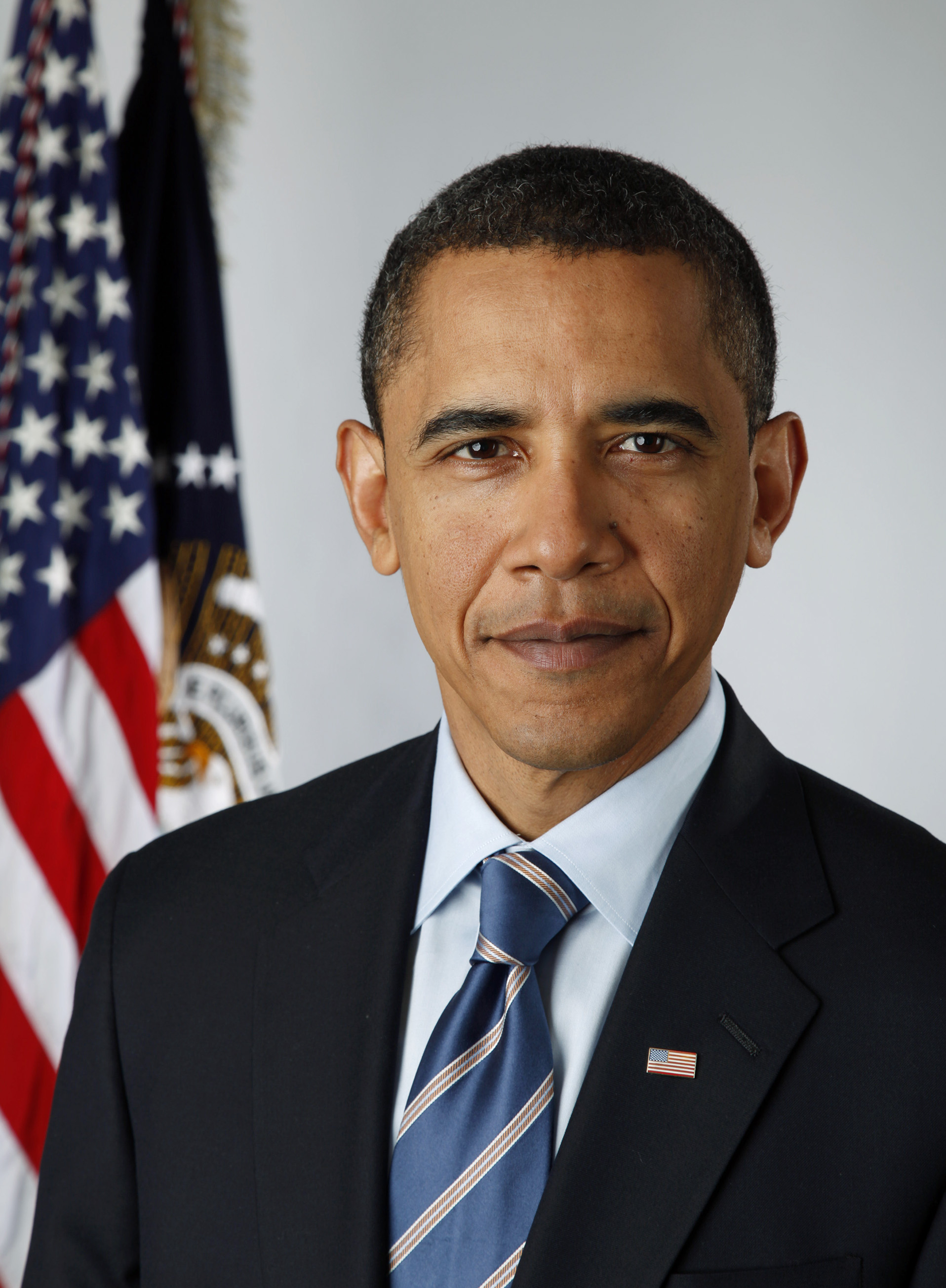
President Obama's budget plans to use the revenue generated by cap and trade to pay for his Making Work Pay tax credit. This is a step in the right direction, but not nearly big enough. The cap and trade or carbon tax should be directly connected to the payroll tax. Any money raised by cap and trade should result in a direct, across-the-board cut in payroll taxes. Cap and trade needs to be bigger and sold as allowing, say, a 30% cut for all payroll taxes.

If the fight over cap and trade is a debate about raising taxes, it is destined to fail. Trying to pretend that cap and trade is not a tax is not a winning strategy. Environmentalists need to preemptively seize the issue of taxes and subvert the conservative message. It is important that the cap and trade plan is revenue neutral. The plan must be framed as a plan to tax pollution instead of wages. People shouldn't choose to reduce their wages to reduce their tax burden, but they can easily choose to reduce their carbon footprint to avoid taxes

Obama's Car Plan Will Devastate the Poor

Barack Obama proposed a plan to provide large credits to people who trade in old cars to buy new ones. While the plan will increase new cars sales (at a large cost to the American tax payer) it would be destructive to low income Americans.

Many Americans rely on used cars as their source for transportation. By provide a generous credit for trading in old cars the government will create a price floor for used cars. The result will be that millions of used cars will dramatically increase in value pricing out low income Americans. Many poor people will be unable to afford a car. The result could be devastating to individuals that need cheap cars live and work.

Republicans Want Small Businesses to Pay More For Health Care


I was reading the GOP alternative “budget blueprint” and noticed something very unusual. In the section about health care reform, they claimed that having a government-run health insurance “option” would result in millions of workers having their current employer provided coverage switched to the government insurance plan, “because their employers would save billions of dollars by ending their current coverage and dumping their employees into the government-run plan.”

Let me understand this: the Republican party is officially against creating a public health insurance option, because it would help small businesses save billions of dollars on health care. I'm simply amazed that the Republican party would put in writing that they are against something that they acknowledge would save small businesses billions.

Will Big Labor's Carrot Become a Stick for Specter?


The Employee Free Choice Act is considered by labor unions to be the most important piece of legislation in decades. It would not only arrest the decline in union membership but would also grant unions greater bargaining power. Senator Arlen Specter supported the bill in 2007, when it did not have a chance of passing, but has since flip flopped on the issue. His decision to change position on the issue will make him enemy number one for labor unions in the 2010 election.

The big unions so strongly want EFCA passed this year that they offered to fully support Sen. Specter in both the primary and general election. The AFL-CIO promised to organize their members to switch party registration to Republican so they could protect Specter in the primary if he back EFCA. Sen. Specter is expecting a tough rematch in the primary against Club for Growth president Patrick Toomey.

The Republican primary may be more dangerous to Specter's chances of reelection than the general election. He must have calculated that the amount of heat he would have taken on the right would have outweighed the amount of help the labor unions could offer in the Republican primary.

What he may not have taken into consideration is the AFL-CIO possibly turning its carrot into a stick. The best hope of assuring a senator is elected who will support the EFCA is to make sure Pat Toomey wins the Republican primary. The AFL-CIO was already planning to convince members to switch parties to vote in the Republican primary. If instead of voting for Specter they now vote against Specter, it might be enough to cost him the primary. Pat Toomey could win the primary but would not have a chance against a moderate Democrat in the general.

Toxic Assets Plan: a Good Buy, or a Good Diversion?

Treasury Secretary Timothy Geithner has just unveiled his new plan for a public-private partnership to buy up “toxic assets”. The government will provide a small amount of upfront money and a price floor guarantee to encourage hedge funds and other investors to buy up troubled assets. While economists debate if Geithner's new plan will work, an equally important debate is whether Obama and Geithner even believe it will work. I call these two possible views of the administration the optimistic and pessimistic strategy.

It is impossible even for economists and industry leaders (let alone pundits) to properly judge the new Geithner plan. Geithner has vastly unequaled access to important data. He has been able to examine the banks' balance sheets, talk with potential buyers, and he knows what government policy changes are likely to be in the future. While his plan may seem misguided now, it may be a very good investment because Geithner knows there will be a new trillion dollar stimulus bill, big change in money supply, or a massive home owner tax cut.

Given what limited information the public has to judge this plan with, it is impossible to know how much stock the Obama administration puts in this plan working.

The administration may take the “optimistic strategy,” anticipating their plan will work. There will need to be some changes around the edges, and it will be months before the economy turns around, but for the most part, the plan is over. There will be no more need to focus so strongly on the banking sector, and Obama will be able to move on to his real agenda.

The “pessimistic strategy” is the idea that the administration expects this current plan to fail partly or fully. In that case, this is only a band aid plan. It serves two main functions. Obama may know that he will need to nationalize some of the big banks and does not have (or want to use) the political capital to do it now. After this plan fails, he will be able to go Congress and the American people claiming that he has literally tried everything else, and temporary receivership is the only option left.

The other purpose of a band aid plan would be to ease the passage of both his budget and health care reform. It may not be coincidence that the new toxic assist plan was unveiled right before the budget comes up for debate. Many fiscal conservatives are freaking out over the size of Obama's $3.6 trillion dollar budget, but $750 billion of that is money set aside for another potential bank bailout. If after unveiling this new plan the administration can claim it will not need all of the extra $750 billion, his budget drops from $3.6 trillion to $2.9 trillion. Overnight without cutting any programs, Obama's budget would become 20% smaller and would complete null and void the CBO deficit projections. The amount that is going to be set aside just for this year for another round of bank bail outs is roughly equal to the amount of new money need for health care reform over the next decade.

Laissez-faire Capitalism Has Failed Us


Laissez-faire capitalism has failed the United States again. It hasn't failed us in the Marxist proletariat revolution sense, but in a narrow, select number of fields. It failed us in the fields of banking, health care, and energy production. It shouldn't surprise anyone that laissez-faire capitalism failed us. It has failed us in the past and will fail us again in the future. Government management has also failed us on an equally substantial level. It's failed at project housing, the war on drugs, the war in Afghanistan, public education, etc... What America needs is an honest debate about how to balance the failings of laissez-faire capitalism and failings of public sector.

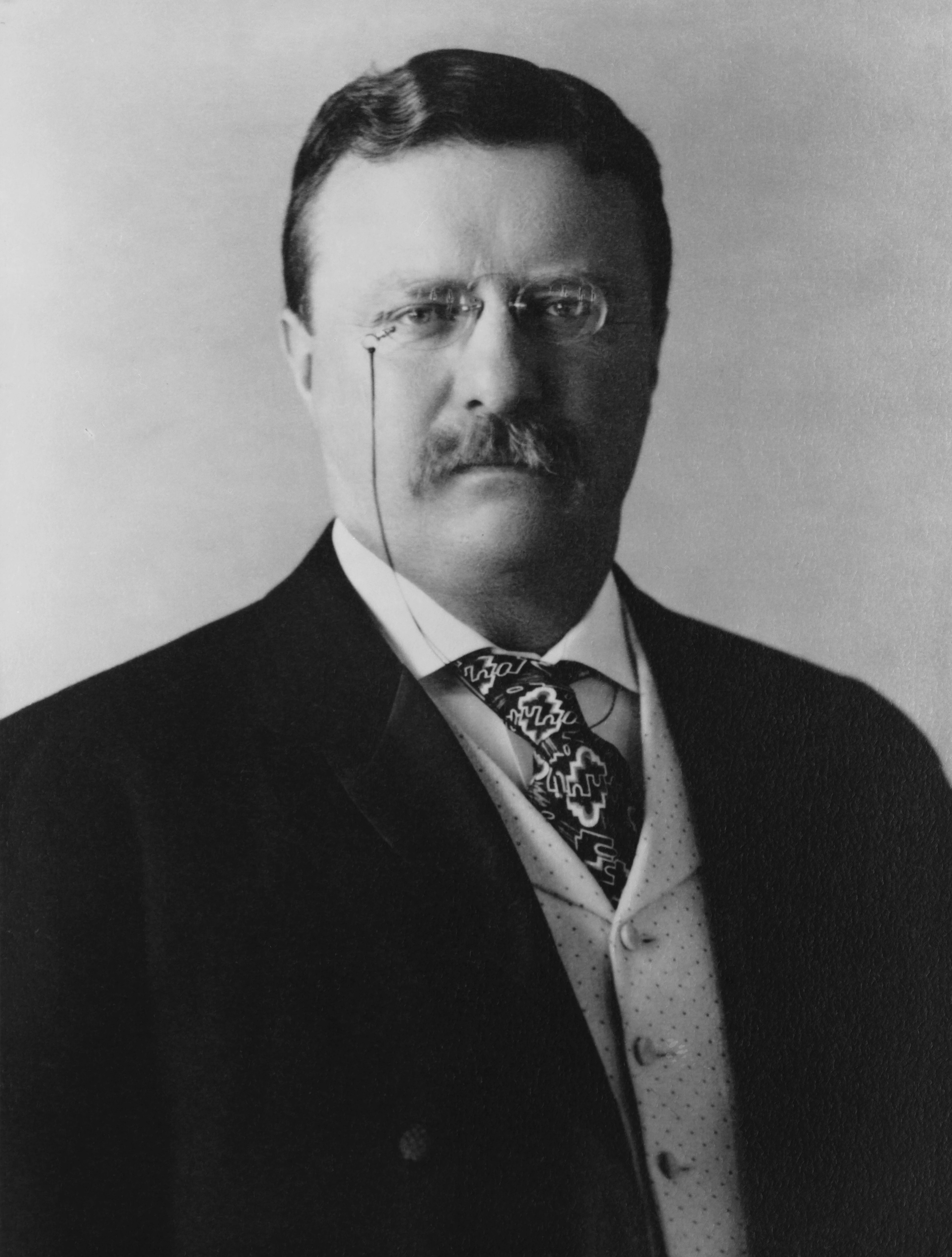
Laissez-faire capitalism has failed us before. Teddy Roosevelt knew this. Before the FDA, medication was the trade of snake oil salesmen and patent medicines. Most “medicines” were either useless, poisonous, or large doses of narcotics. Factory meat packing gave us the world of Sinclair's The Jungle. Without basic environmental laws we had rivers that lit on fire.

Franklin Roosevelt saw what happened to an unregulated banking sector. It is human nature to be swept up in collective hype, put short-term personal gain over long-term institutional stability, and run outright scams. More recently, a large number of economists, experts, and politicians became convinced that we are smarter and more knowledgeable than bankers in the 20's and no longer need New Deal era regulation. Sadly, that knowledge wasn't used to create a self-regulating finance sector, but better ways of creating fake wealth.

Only an ideological fringe with the mentality of an ostrich believes that deregulation of the banking industry was good for America. Even most Republicans acknowledge that we need to re-regulate the finance sector. Laissez-faire capitalism in the banking sector has failed us not once but twice.

In the health insurance industry, laissez-faire capitalism has not failed us as spectacularly, but maybe even more completely than in the banking sector. We pay twice as much per person for health care as the average industrial country, yet as a whole we are dramatically less healthy. Our life expectancy is shorter, our infant morality rate is higher, and the number of uninsured is greater here than in basically every other first world nation combined. Most first wold countries spend about 10% of their GDP on health care while we spend roughly 17%. That is $1 trillion dollars wasted on health care a year. Over a few years, the amount wasted on health care will dwarf even the losses of this recent collapse of the stock market.

From one perspective, laissez-faire capitalism in health insurance has been a big success. The problem is its goals are very different than that of the country's. The nation's goal is to have healthy citizens who aren't bankrupted by health care costs. The goal of the health insurance companies is to make money. They make money by charging large premiums and doing what they can to not pay for health care treatments. We shouldn't be surprised that our health care costs more but treats less.

The failure in the energy sector is simpler. It is widely agreed that producing large quantities CO2 is bad for the world and bad for human society. The cheapest way to produce energy also produces the largest quantities of CO2. The problem is that producing CO2 is free but will eventually cost a large number of people around the world a lot of money. To fix our energy sector we need to determine the real monetary cost of excess CO2. We need to attach a cost to CO2 like attached a cost to SO2.

On the public sector side, the government has failed the country in several spectacular ways. No example is more evident than the failure of our high schools. We have gone from the best public education system to one of the worst among our first world nations. Our drop out rates and test scores are unacceptable.

What America needs is policies based on careful empirical observation and not ideological talking points. Unfortunately, it is always easier to paint the world in broad brush strokes of black and white than to carefully study every issue, evaluating the pluses and minuses of every move.

Almost all Americans are willing to accept the fall of the USSR as proof that communism (complete government control of the economy) was a failure. Yet, there are many Americans who refuse to accept that complete laissez-faire capitalism has been equally debunked by historical evidence. The end of the 19th century was the golden age of laissez-faire capitalism, and it was not good. It was a time of robber barons and oppressive monopolies. There were rivers so polluted they burned, sausage filled with rat meat, and medicines more likely to kill you than cure you. There was actual violent class warfare between labor unions and factory owners. It was a world of unrest and mass popular uprisings.

I'm cautiously optimistic things can change because Barack Obama's top priorities are to reform the financial sector, the health insurance sector, the energy sector, and the educational system-- three areas where poorly regulated capitalism has failed us and one where the government has failed. He campaigned on post-partisanship, but I hope he governs post-ideological. He recently talked about taking politics out of science, but what we need is more science in our politics.

Sen. Arlen Specter: An Offer You Can't Refuse


The Hill recently reported that Democrats Vice President Biden, Pennsylvania Gov. Ed Rendell, and Penn. Senator Bob Casey Jr. have all tried to convince Senator Arlen Specter (R) to switch parties and caucus with the Democrats. Arlen Specter is a moderate in an increasingly conservative party but represents an increasingly Democratic state. The fact that this information became public is very interesting. It may be that the Democrats are making Specter an offer he can't refuse.

Switching parties could be mutually beneficial to both Sen. Specter and the Democratic Party. If Al Franken gets seated, Arlen Specter would give the Democrats a filibuster-proof majority of 60. It would be a huge boon to Democrats. Sen. Specter understands how valuable switching parties would be and could use the leverage. He could demand movement on issues of personal importance or demand powerful committee assignments.

The biggest advantage to Specter would be to simplify his path to reelection. Staunch conservative former Rep. Pat Toomey has already pledged to launch another primary run against Specter. Toomey almost beat Specter six years ago to win the Republican nomination. As the state as a whole has moved left, what remains of the Republican party has moved right. Thousands of Republicans switched registration to vote in the Democratic presidential primary. It is possible that Toomey could beat Specter in 2010. If Specter loses the primary, he can't run as an independent.

Even if Specter wins the Republican primary he would face a tough general election. The primary fight could be expensive and may force Specter to move to the right. If Specter switches parties, Ed Rendell could clear the Democratic primary for him. As very moderate Democrat he could have an easy time appealing to moderates and independents in the general election.

Talk of Specter switching parties maybe more damaging to Specter than actually switching parties. Specter's greatest danger may be his Republican primary opponent. Toomey is going to try to paint Specter as a RINO (Republican in name only), and the fact that Democrats would welcome him with open arms only amplifies his case. Publicly asking Specter to switch parties is a win-win for Democrats. If he switches parties they gain a senator, and if he doesn't, it weakens his chance of winning his primary. While Toomey could win the Republican primary, he would face long odds in the general election.

The Bailout Bonus Recovery Tax

It was recently reported that AIG, which has received close to $200 trillion from the government, is about to pay out $165 million in bonuses. This is truly disgraceful and an excellent reason why the company should go into government receivership. The government already owns 80% of AIG and has injected it with capital far in excess of its worth.

Hope to stop the bonus payments seems slim. According to AIG, they are contractually obligated to pay these “bonuses”. If AIG can't stop itself from giving away tax payers' money, the government should move quickly to recover it.

My suggestion is that Congress moves quickly to pass the “Bailout Bonus Recovery Tax.” It would be a one-time tax increase this year only. It would be a 90% tax on any bonus over $50,000 from a company which had to be bailed out by the government. I feel a limit of $50,000 will make sure the tax only affects the traders and managers which made the bad decisions and ruined their companies. It seems only fair that if companies are using tax payers' money to pay huge bonuses, that the government should impose huge taxes on those bonuses.

The Un-Obama Health Care Bill


Barack Obama's goal is to pass a massive health care reform bill this year. If he succeeds at achieving this long sought -after Democratic goal, it will become the foundation for his legacy. It may be the single most important achievement that he is remembered for. Ironically, the health care bill he will likely sign will be very different than the health reform plan he campaigned on.

Barack Obama decided to use a hands-off approach in pursuing health care reform. He gave Congress a very basic set of principles and told them to write the bill. This approach has two major advantages. First, it does not repeat the mistakes of the Clinton health care reform effort. Second, it allows Obama to support a bill that may likely break several of his campaign promises.

There appears to be a growing consensus about two issues in health care reform. It seems there is an agreement on all sides that in exchange for mandating all individuals acquire health care, health insurance companies will not be allowed to turn down applicants and must cover pre-existing conditions. The issue of a mandate was the key difference between Barack Obama's and Hillary Clinton's health care plans during the primary. Obama campaigned on not forcing people to acquire health insurance, but the plan he eventually signs will likely contain just that.

Obama originally proposed to pay for health care reform by reducing the rate of deduction for high income individuals. This idea appears dead on arrival. While the consensus is not yet as strong as the consensus for the mandate, indications are that health care reform will be paid for by changing the law governing taxation on employee health insurance. This was an issue in the general election. John McCain supported taxing employee health insurance, and Obama attacked him for it. Like with mandates, here is another issue which Obama campaigned against but will possibly be part of the eventual bill.

The biggest fight over health care reform will probably center on whether to give people the choice of buying a public plan similar to Medicare. Barack Obama, Senator Baucus, and most Democrats have supported offering a public plan. The for-profit insurance companies along with several powerful Republican senators are dead set against it. It was part of Obama's campaign plan and part of a white paper published by Baucus just after the election. Interestingly, the idea for a public plan can't be found on WhiteHouse.gov, HealthReform.gov, or Baucus' senate website. The public plan may eventually be dropped to get a bill passed with broad bipartisan support. If so, the “Obama health care reform bill” that is passed this year will be a very Un-Obama plan.

A False Choice, A False Debate: Stem Cell Research


On Monday, Barack Obama overturned George Bush's executive order restricting funding for stem cell research. A very conservative minority complained about Obama's recent action. They claim it is immoral to destroy human embryos for scientific research, but they are presenting a false choice. Currently thousands of unused and unwanted human embryos are destroyed each year. The choice is between just throwing out embryos or using embryos (that were going to be destroyed anyway) for possibly life-saving research.

Currently, when couples go to fertility clinics for in vitro fertilization, the clinic will often make more embryos than needed. It is impossible to know if an embryo will successfully be implanted or how many children an individual will want. As a result, thousands of extra human embryos are created each year.

A few hundred “snowflake” embryos have been adopted. The demand for adopting “snowflake” embryos is small, and many parents don't like the idea of someone else giving birth to their children. As a result, we currently destroy thousands of embryos a year. Human embryos will not and have not been created for stem cell research. Research has and will only be done on a small fraction of embryos which would have been destroyed anyway. If conservatives want to stop the destruction of human embryos, they need stop the fertility industry.

A Bit of Comedy: Leadership


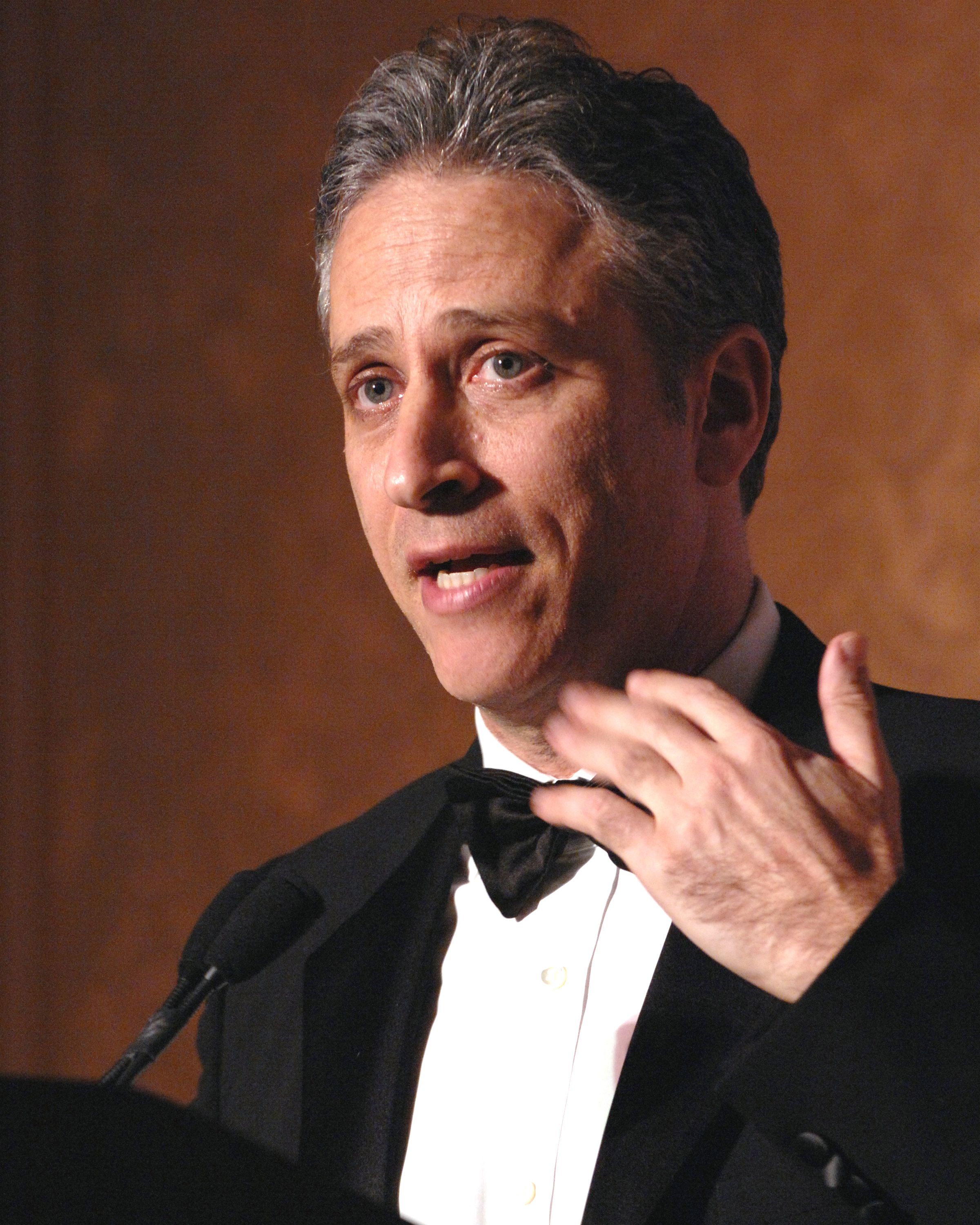
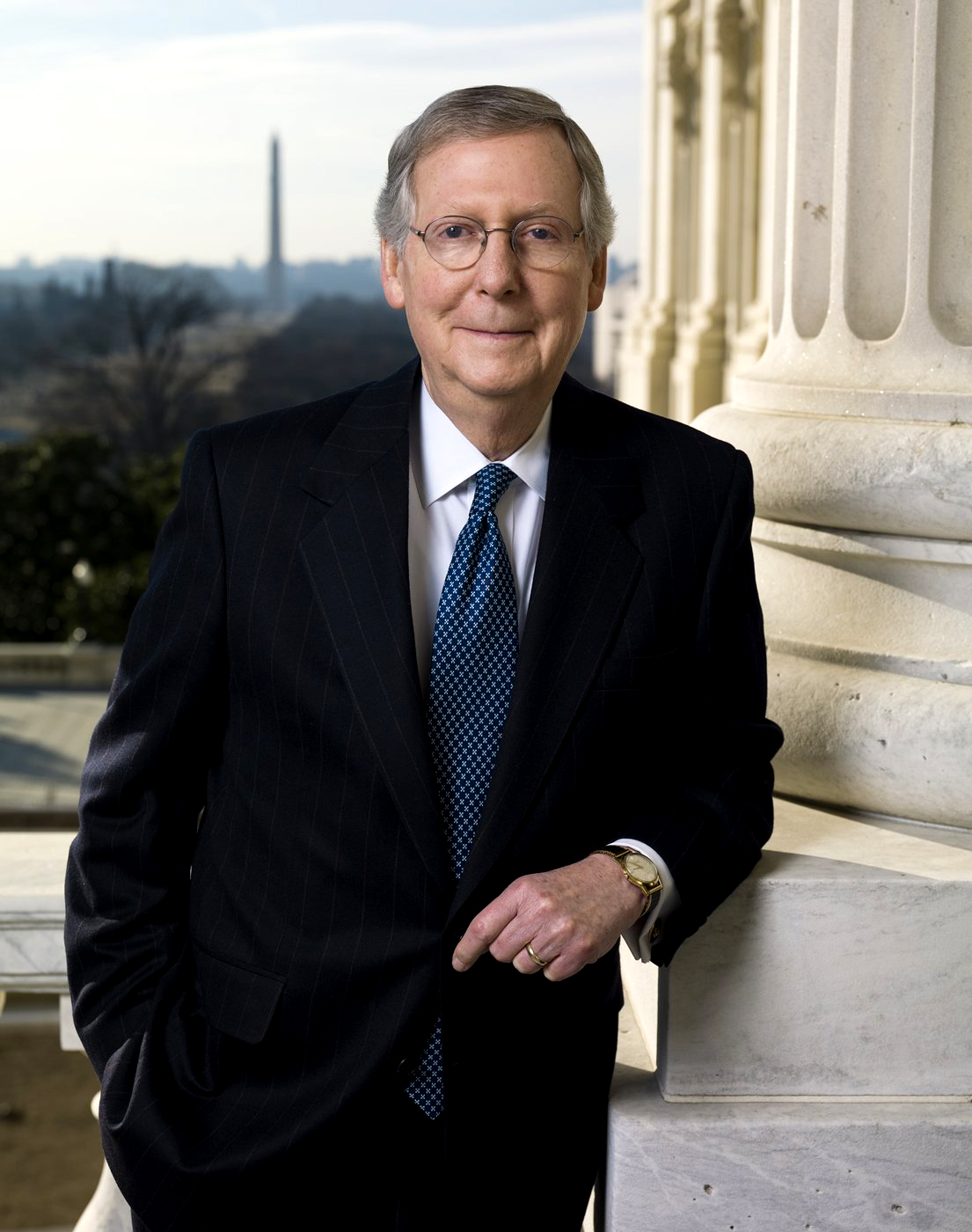
According to a new Rasmussen poll, less than one half of one percent of Republicans view either Senate Minority leader Mitch McConnell or House Minority Leader John Boehner as the party's leader. A full 2% of Republicans believe that Rush Limbaugh is their party leader. On the other side, 1% of Democrats believe Jon Stewart is their party leader. I understand these differences are statistically insignificant, but still.

I don't know for whom this poll is sadder. Mitch McConnell and John Boehner? More people are following the leadership of a late-night cable comedian and a loud incendiary radio talk show host. Or is it the Republican party, which feels completely without leadership? Or is it America as a whole, for lacking a coherent opposition?

Senator Shelby is Worse Than Hoover


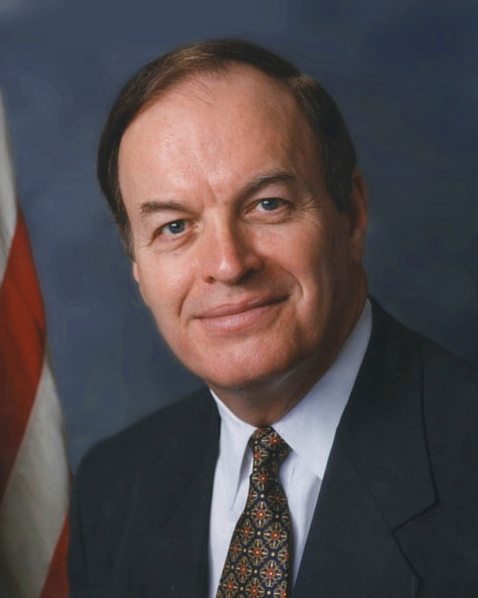
Senator Richard Shelby of Alabama has proven that he is criminally ill-informed and/or insane. On "This Week" with George Stephanopoulos, he said he wanted to force banks to just close down. Not nationalize them through FDIC receivership, just close them. I'm shocked that his statement has not received more coverage. His plan is not just crazy, it is also potentially illegal.

There is an argument to treat big banks the same way we treat small banks, but there is no logic to what Senator Shelby is advocating. Banks don't just close in the United States. They can't just close. If they are insolvent, the FDIC takes them over-- i.e., nationalizes them, and sells off their assets to recover funds for depositors and creditors. Temporary nationalization is how we “bury the small banks.”

By law the federal government insures up to $250,000 of an individual's deposits. You can't just allow a bank to close, wiping out millions of bank accounts. At the very least, they need to be nationalized long enough to allow millions of average Americans get their money out.

Senator Shelby's remarks are so out of the mainstream it is impossible to tell if he is just horribly ill-informed or if he is advocating an insane form of economic nihilism. Does he not know that when banks fail they are nationalized by the FDIC? If he does, is he then advocating eliminating the FDIC and FDIC insurance? What does “close them down” even mean? Would people wake up one morning and find every branch of Citibank permanently shuttered? If that is the case, the result would be a disastrous great depression-style run on the banks. The media should not allow an individual with Senator Shelby's power to make such potentially destructive statements without a complete explanation.

How Much is Bipartisanship Worth? About $2 Trillion


When Barack Obama campaigned for president, he promised that his health care reform would include the option of a government insurance plan that individuals could choose to buy. The insurance plan would resemble the government plan that congressmen have given to themselves. (Which is not surprisingly a very very good plan) Recently Mitch McConnell, Charles Grassley, Mike Enzi, Judd Gregg, and Orrin Hatch signed a letter demanding that private American citizens not have that choice.

A new report by the Commonwealth Fund claims that having the government insurance plan option would save $2 trillion over 11 years. The premium for the plan would be at least 20% cheaper than that from a private plan. Having the government insurance option would equal big savings for millions of middle class Americans.

The Republicans have made it clear that if Obama wants to pass health care reform with large bipartisan margins he would need to drop the government insurance choice. But Obama does not need Republicans to pass health care. If he is willing to play procedure hardball, he can pass the bill with only 50 senators (With VP Biden casting the tie-breaking vote). Barack Obama must choose between these two routes. He can keep his promise to work on a bipartisan basis. Or he can keep his promises to provide a government insurance option and bring down the cost of health care. The question facing Obama is bipartisanship compromise worth $2 Trillion.

5 Political Moves to Maintain the Majority


Power is the best leverage for gaining more power. Former congressional majority leader Tom Delay understood this. He used his power both at the local and federal level to change the rules of the game to benefit his party. The Democratic party now has a historic opportunity to pass strategic legislation which could help cement and expand their majorities.
  • Representation for DC: Currently Washington DC is unrepresented in Congress. A recent effort to give DC the vote has stalled due to an issue with a gun control amendment, but it should pass soon. DC is overwhelmingly Democratic, and it would add one permanently Democratic seat to Congress. It would temporarily create a safe Republican seat, but that would be up for reassignment like all other congressional seats after the 2010 census.
  • Increase Funding for the Census: The census decides how many congressional seats each state receives and affects how they are redrawn. Homeless, poor, and minorities all tend to be under counted, live in Democratic areas, and vote Democratic. It is to the majority's advantage to maximize the number of people counted. For Democrats, every dollar spent on the census is money well spent.
  • Early Voting/ Absentee Voting: Democrats have been fighting to make it easier to vote, and Republicans have been trying to stop them. Shift workers and college students have strong Democratic leanings and also have trouble voting on election day. The Congress could pass a law to pay for states to run elections only if they offer some form of no excuse early voting.
  • Ex-Offenders Enfranchisement: There are wildly different rules governing former criminal enfranchisement across the 50 states. Some have a lifetime ban on voting while others only disenfranchise convicted criminals until they have completed their punishment. Roughly 4 million ex-felons who are now out of prison are barred from voting. The vast majority would likely be Democratic voters. (Changing state laws on ex-offender enfranchisement would be difficult at the federal level)
  • Universal Health Care: In the fight against “Hillarycare,” William Kristol urged conservatives to kill universal health care, not because it would be a disaster, but because it would be a success. If the government offered a useful service like quality affordable health care to millions of Americans, it could dramatically change America's relationship to government. If people see government as a helpful, it would be devastating to conservatism.

McConnell: A Hypocrite, An Idiot, and A Liar


According to the Politico, Senate minority leader Mitch McConnell has sent a letter to Barack Obama about health care. The letter made it clear that he would stand in the way of any attempt to provide individuals with a choice of a government-run or a for-profit, company-run health insurance plan. He claims that if there was a government-run insurance option, it would be much better than every plan from a for-profit company. As a result, so many people would freely choose the government plan there would be no for-profit health insurance companies left.

Mitch McConnell is a member of Congress and as a result receives an amazing government-run health care plan. Mitch McConnell does not want the American people to be able to buy the plan he gives himself. This is the height of hypocrisy. If Mitch McConnell is so concerned about for-profit health insurance companies not being able to attract customers, he should refuse his government-run plan and purchase one on the open market.

Sen. McConnell is an idiot and a liar because he is trying to make two completely contradictory arguments at the same time. It is the belief of the Republican party that we should not have single payer health care (like Canada, France, UK, etc...) because it would result in low quality, long lines, and rationing. Yet at the same time, he is claiming that we must not allow people to freely choose to buy a government-run insurance plan. The reason is that too many people would choose the government-run plan over a for-profit company plan. If government-run health care is so bad, why worry it would out compete for-profit companies?

McConnell claims creating a government option would “take health care decisions out of doctors' and patients' hands and place them in the hands of another Washington bureaucracy.” This is a lie. Already health care decisions are not made between doctors and patients; they are made by insurance underwriters who choose what procedures are and are not covered. The government-run option would be a real choice. I would get to choose if I want a government agency or a for-profit company to make decisions about procedures that should be covered. If for-profit companies are truly better at delivering care, they will have nothing to worry about.

Health Care Reform in May?

I have reverse-engineered what is possibly the Obama administration's timetable for passing massive health care reform. By piecing together dozens of interviews, news reports, and knowledge about Congress, I've been able to construct what I believe to be Obama's overall strategy. Using all available information, I believe Obama plans to sign a health care bill in late May or early June of 2009.

Step 1. Lay out the budget with $634 billion for health care.

Step 2. Announce both a HHS secretary and a health care czar as a clear indication that Obama is planning to move full-speed ahead. They will now have all the important players in place for the first health care summit on Thursday.

Step 3. Have a group of senators lay out a detailed outline of the bill at the health care summit Thursday. Senator Baucus released a white paper on health care reform right after the election and has been working on it since. Senator Kennedy has also been having secret, closed-door meetings on health care for months now. The optics here are very important. It will be members of Congress and not the Obama team which presents the detailed outline. This way, they can avoid one of the biggest complaints against Clinton's health care plan.

Step 4. Use the detailed outline on health care reform to test the water for support. This will result in one of two possible paths to passing the legislation.

Step 5. Writing and Passing the bill.

A) The bipartisan route: If a substantial number of Republican senators (5 to 11) show support for the bill, they will move quickly to negotiate and write the legislation throughout March. With Republican support, a bipartisan bill should be finished sometime in May. Voting and reconciliation will take a week or two, and the bill will arrive on Obama's desk at the end of May or early June.

B) The partisan route: If Republican senators appear initially united against the outline of the health care reform proposal, the Democrats will choose to play hardball. If there is not strong bipartisan support at the start, it will mean that the Republicans have decided to sink health care to sink Obama. It will be a clear sign they do not plan to negotiate in good faith. The Democrats will use the budget reconciliation rule to pass health care with only 51 votes. They may make it a stand-alone bill or more likely embed it in the new budget (which is also on schedule to be passed in May).

Stupid or Playing Dumb?

President Obama's new budget creates a very rough outline of how he plans to make a substantial “down payment” on universal health care. The only details given are that the plan would set aside $634 billion over 10 years for health care reform, and some of that money would come from a change to tax deduction rates for families making over $250,000 a year. Obama's administration is using the estimate that universal health care reform would cost $1 trillion over ten years. (I strongly dispute this often cited figure, but that is a separate article.)

His plan for health care reform in his budget outline appears a first glance, frankly, stupid. Why make a huge “down payment” and just not go for universal reform? Why cover only 36 of the 45 million uninsured? Why link a popular plan to this specific tax increase? The Democrats have the numbers and the momentum to finally achieve a goal they have sought for decades. If they pass the first step now, there is no guarantee they will have the political power to finish the job later. Technically, there is a big difference between $635 billion and $1 trillion, but to the American people, they are both just really big numbers. Not making the health care plan universal will in the long run only make it more expensive.

It is possible that the White House is stupid, but its more likely they are a dozen steps ahead. Obama's budget for health care is probably an elaborate rouse. By giving basically no details about what a plan should look like, he can act like he is blameless while Congress is forced to make the tough choices.

The health care reform bill is probably already written by Senator Baucus and/or Senator Kennedy. While it will be changed around the edges, it is likely Obama already knows its basic shape. The bill will be more expensive than planned and probably contains a mandate even though, during the campaign, Obama laid out a health care plan without a mandate. It is even possible the deduction change to pay for it will drop. He will be able to act like he is being forced to compromise instead of breaking campaign promises he doesn't care to keep.

The Importance of Sebelius


Governor Kathleen Sebelius has been named HHS secretary. Her experience makes her an excellent choice for the position. Yet, the big news is not that Gov. Sebelius has been named to the position, but when. On Thursday, Obama is going to have his first health care reform summit.

Government summits are always more about theater than about discussing issues. Summits can serve two possible PR purposes. The first is to make it look like you are working on a problem without really doing anything. The other is to unveil a new policy and make it appear that all players got to be involved in shaping it. I would be shocked if any real work, consensus building, or compromising happens at any of the many summits Obama calls for.

If the Obama administration had its first health care reform summit without a HHS secretary, it would have been a clear indication that it is of the former type of summit. Obama is currently facing several huge issues, and it would not be unusual if he used “summits” as a way to punt the issue down the road without appearing to break campaign promises.

Gov. Sebelius being named HHS secretary days before the first summit does not automatically mean it will be more than a PR move. But it does dramatically increase the probability that the summit on Thursday will be used to launch a major piece of reform legislation. Senator Kennedy has been having secret closed-door meetings about health care for months. It is possible that this first summit will be where Sen. Kennedy and/or Baucus present a detailed and structured “outline” of what the eventual health care reform bill will look like.

LinkWithin

Related Posts Plugin for WordPress, Blogger...