There are many parts of health care reform that potentially violate the Byrd rule and potentially could be stripped out of health care reform if it passes using reconciliation. Yet it is important to remember just how much of health care reform could be easily passed using reconciliation. Many of the important provisions do directly relate to government revenue. Harry Reid recently said that reconciliation could accomplish 65 percent of what his party thinks is necessary.
Expanding Medicaid or the CHIP program to cover everyone below a set percent of the Federal Poverty Level can be passed using reconciliation. Simply expanding Medicaid to everyone below 150% of the FPL could reduce the number of uninsured by at most 26 million. The CBO says expanding Medicaid to Americans below 133% of the FDL would reduce the number of uninsured by 11 million, with a potential for several million more if strong efforts were made to enroll everyone eligible. While it may not be the best policy or the most cost effective way to expand coverage, simply expanding Medicaid to cover everyone below 300% of the FDL would offer coverage to almost all uninsured Americans. It could also be done using reconciliation.
Providing uninsured individuals money to help purchase insurance (either as subsidies, vouchers, or tax credits) should also pass using reconciliation. It is one of the major costs in health care reform.
Tax credits and/or subsidies to small businesses who offer their employees health insurance should be protected from the Byrd rule. They would be a significant source of federal spending.
Different fixes or improvements to the Medicare Part D “doughnut hole” issue have been proposed. Closing the doughnut hole would cost several billion and would also likely be protected.
All the different changes to Medicare which are projected to save money should survive reconciliation. Fixing the overpayment for Medicare Advantage would save over $100 billion. Efforts to move away from the fee-for-service payment structure are projected to also save hundreds of billions. For the most part the important cost saving changes to Medicare should be able to pass using reconciliation.
Several different tax ideas are being considered to help pay for health care reform: reducing the tax deductions for the wealthy, a surtax, taxing “Cadillac” health insurance plans, soda tax, liquor tax, etc... Any tax that increase revenue should be protected.
These are are not the only aspects of health care reform that I believe will be easily passed using reconciliation, they are just the major pieces I'm 95 percent confident will not violate the Byrd rule. The major problems with getting these reforms passed using reconciliation is cost. The bill will need to be revenue neutral after only 5 years.
This should demonstrate that even though there are problems with using reconciliation, it can be used to dramatically improve the lives of millions. Savings from Medicare reform alone -- even without any new taxes -- could pay for fixing the Part D doughnut hole as well as dramatic expansion of Medicaid that could reduce the number of uninsured Americans by almost half.
Showing posts with label Medicare. Show all posts
Showing posts with label Medicare. Show all posts


Medicare is Government Run Health Insurance
Everyone actively involved in the health care debate knows that Medicare is a government run, single payer health insurance program. Unfortunately, this fact is not stated often enough. It is a long standing joke that an old woman told a senator, “keep the government's hands off my Medicare,” but I think it does speak to a great ignorance in our country. I think allowing the myth to persist has been a big failing of the Democratic Party.
I have not seen, but would love to see, some public polling to find out how many Americans actually don't know that Medicare is government run health insurance. I think the number would be surprisingly high. It is painful to watch people on Medicare scream about the government takeover of health care. The government took over their health insurance years ago.
I partly blame the media for not vigorously stating that Medicare is government run single payer health insurance. They should be asking anyone who warns of a “government takeover” if they then want to repeal the government run Medicare program.
But, I mostly blame the Democratic party for not getting the message out. The government run single payer program called Medicare is one of the party's greatest achievements and one of the most popular government programs. The Democrats should be singing its praises, not tip-toeing around it.
Government run Medicare doesn't just provide peace of mind to millions of seniors. It has also consistently outperforms the private insurance companies. Government run Medicare (and the government run Veterans Health Administration) have higher customer satisfaction than private insurance. Government run single payer Medicare has done a much better job at controlling the spiraling increase in premiums than private insurance. When government run Medicare competes head to head with private health insurance (Medicare Advantage) government run Medicare in almost all cases was cheaper. Medicare is proof the government can do a better job of providing health insurance.
For too long the Democrats allowed “free market” Republicans to convince Americans that the government can't do anything right. Some Americans so strongly believe this idea that they assume something as popular as Medicare can't be run by the federal government.
The Democrats need to state clearly and often that Medicare is government run single payer health insurance. They should extol the benefits of the government run Medicare program at every town hall meeting and TV appearance.
The American people will not trust the federal government to be more involved in health insurance unless they are shown proof that the government can do the job well. Government run Medicare is the proof that Democrats should offer to skeptical voters. The government was given complete control of a large part of the health insurance market and has done a good job with it for decades.
*I state 14 times in this article that Medicare is government run.
I have not seen, but would love to see, some public polling to find out how many Americans actually don't know that Medicare is government run health insurance. I think the number would be surprisingly high. It is painful to watch people on Medicare scream about the government takeover of health care. The government took over their health insurance years ago.
I partly blame the media for not vigorously stating that Medicare is government run single payer health insurance. They should be asking anyone who warns of a “government takeover” if they then want to repeal the government run Medicare program.
But, I mostly blame the Democratic party for not getting the message out. The government run single payer program called Medicare is one of the party's greatest achievements and one of the most popular government programs. The Democrats should be singing its praises, not tip-toeing around it.
Government run Medicare doesn't just provide peace of mind to millions of seniors. It has also consistently outperforms the private insurance companies. Government run Medicare (and the government run Veterans Health Administration) have higher customer satisfaction than private insurance. Government run single payer Medicare has done a much better job at controlling the spiraling increase in premiums than private insurance. When government run Medicare competes head to head with private health insurance (Medicare Advantage) government run Medicare in almost all cases was cheaper. Medicare is proof the government can do a better job of providing health insurance.
For too long the Democrats allowed “free market” Republicans to convince Americans that the government can't do anything right. Some Americans so strongly believe this idea that they assume something as popular as Medicare can't be run by the federal government.
The Democrats need to state clearly and often that Medicare is government run single payer health insurance. They should extol the benefits of the government run Medicare program at every town hall meeting and TV appearance.
The American people will not trust the federal government to be more involved in health insurance unless they are shown proof that the government can do the job well. Government run Medicare is the proof that Democrats should offer to skeptical voters. The government was given complete control of a large part of the health insurance market and has done a good job with it for decades.
*I state 14 times in this article that Medicare is government run.
Compromise To The 8th Degree
The goal of many on the left is universal single payer health insurance. The simplest way to achieve this goal would be to expand Medicare for all. Currently there are around 80 votes for single payer in the House. So liberal Democrats have rsigned themselves to a series of compromises on top of the compromises.
Compromise 1. Jacob Hacker invented a political compromise known as the public option. It would simply allow individuals or businesses the option of buying in to Medicare or a Medicare like program.
Compromise 2. Some fear that this public plan would be too popular (why some elected officials would be afraid of providing people with an incredibly popular government program is beyond me). So the compromise was to restrict the public option to the Exchange. At first the Exchange will only be open to roughly 36 million people who work for small businesses or buy individual coverage.
Compromise 3. Some hospitals and health care providers are worried that Medicare underpays providers. So the public plan was further compromised and made less affordable for individuals. The public plan would pay Medicare rates plus 5-10%.
Compromise 4. Some doctors thought the public plan should not piggyback on Medicare's provider network, even though it would pay more than Medicare. To deal with these concerns the public plan was compromised again and made even less affordable. Medicare providers would be allowed to opt out of the public plan while still being allowed to accept Medicare patients.
Compromise 5. A handful of Blue Dogs complained that even the compromise Medicare-plus rates were too low. To gain their support, the public plan was again weakened and again made less affordable for average Americans. Ross' amendment would make the public plan negotiate rates not based on Medicare.
Compromise 6. Chuck Schumer in an attempt to over come the near insurmountable hurdle of 60 votes in the Senate was asked to create what would be an even greater compromise. His “level playing field” public plan would create a new government insurance provider completely separate from Medicare. It would need to independently create its own provider network and negotiate its own rates.
Compromise 7. Senator Grassley reject Schumer's compromise so Senator Conrad tried to come up with something Grassley would support. His idea was private non-profit health insurance cooperatives. Schumer offered a compromise of his compromise. The government would help set up single new national non-profit insurance company with a co-op legals structure. The federal government would maintain minor oversight through some permanent seats on its board of directors.
Compromise 8. Grassley rejected Schumer's compromise of his previous compromise. Conrad has decided to offer Grassley a complete capitulation. Conrad's proposal is simply to make some seed money available for “others” to set up co-op insurance companies if they wanted. (Who these “others” are who have the expertise, desire, skills, and time to create massive new non-profit insurance companies from scratch is a very good unanswered question.)
The co-ops would have not permanent government oversight. They would not be available nationwide or available from day one. There is zero guarantee that there would be a new co-op in your insurance market for you to sign up for. In fact, there is no guarantee that any new co-ops would ever be started or survive beyond a few years.
The worst part is health insurance co-ops have been tried repeatedly before. Most failed or turned into for-profit companies. Only handful still survive. So Conrad's “compromise” is to offer an idea which already exists and has failed.
The media falsely reports that Conrad's co-op proposal is a compromise between liberals who want a strong public option and Republicans who do not want insurance companies to face any new public competition.
It is a compromise of a compromise which was a compromise that is itself a compromise of a previous compromise from a former compromise of a much reduced compromise of the original compromise of the goal of many on the left.
At some point an idea is so reduced through repeated compromises as to be worthless. Conrad's co-ops are not an acceptable or legitimate compromise for progressives. It is a warm bucket of highly diluted spit stamped with the word reform.
Compromise 1. Jacob Hacker invented a political compromise known as the public option. It would simply allow individuals or businesses the option of buying in to Medicare or a Medicare like program.
Compromise 2. Some fear that this public plan would be too popular (why some elected officials would be afraid of providing people with an incredibly popular government program is beyond me). So the compromise was to restrict the public option to the Exchange. At first the Exchange will only be open to roughly 36 million people who work for small businesses or buy individual coverage.
Compromise 3. Some hospitals and health care providers are worried that Medicare underpays providers. So the public plan was further compromised and made less affordable for individuals. The public plan would pay Medicare rates plus 5-10%.
Compromise 4. Some doctors thought the public plan should not piggyback on Medicare's provider network, even though it would pay more than Medicare. To deal with these concerns the public plan was compromised again and made even less affordable. Medicare providers would be allowed to opt out of the public plan while still being allowed to accept Medicare patients.
Compromise 5. A handful of Blue Dogs complained that even the compromise Medicare-plus rates were too low. To gain their support, the public plan was again weakened and again made less affordable for average Americans. Ross' amendment would make the public plan negotiate rates not based on Medicare.
Compromise 6. Chuck Schumer in an attempt to over come the near insurmountable hurdle of 60 votes in the Senate was asked to create what would be an even greater compromise. His “level playing field” public plan would create a new government insurance provider completely separate from Medicare. It would need to independently create its own provider network and negotiate its own rates.
Compromise 7. Senator Grassley reject Schumer's compromise so Senator Conrad tried to come up with something Grassley would support. His idea was private non-profit health insurance cooperatives. Schumer offered a compromise of his compromise. The government would help set up single new national non-profit insurance company with a co-op legals structure. The federal government would maintain minor oversight through some permanent seats on its board of directors.
Compromise 8. Grassley rejected Schumer's compromise of his previous compromise. Conrad has decided to offer Grassley a complete capitulation. Conrad's proposal is simply to make some seed money available for “others” to set up co-op insurance companies if they wanted. (Who these “others” are who have the expertise, desire, skills, and time to create massive new non-profit insurance companies from scratch is a very good unanswered question.)
The co-ops would have not permanent government oversight. They would not be available nationwide or available from day one. There is zero guarantee that there would be a new co-op in your insurance market for you to sign up for. In fact, there is no guarantee that any new co-ops would ever be started or survive beyond a few years.
The worst part is health insurance co-ops have been tried repeatedly before. Most failed or turned into for-profit companies. Only handful still survive. So Conrad's “compromise” is to offer an idea which already exists and has failed.
The media falsely reports that Conrad's co-op proposal is a compromise between liberals who want a strong public option and Republicans who do not want insurance companies to face any new public competition.
It is a compromise of a compromise which was a compromise that is itself a compromise of a previous compromise from a former compromise of a much reduced compromise of the original compromise of the goal of many on the left.
At some point an idea is so reduced through repeated compromises as to be worthless. Conrad's co-ops are not an acceptable or legitimate compromise for progressives. It is a warm bucket of highly diluted spit stamped with the word reform.
Ted Kennedy Abandons Liberals on Health Care Reform

This is probably the worst sign yet for the public health insurance plan. Ted Kennedy has abandoned liberals on the issue of his career. On his senate website, Ted Kennedy no longer publicly supports providing all Americans with the choice of a public health insurance option. He continues the trend started by the Obama administration of trying to whitewash over support for a public plan.
Only a week ago, Ted Kennedy's website still promoted giving all Americans the choice of signing up for Medicare. Now, under the issue of “health care” there is no longer any reference to offering people the choice of a public health insurance plan.
I highly respect Ted Kennedy and his long career of fighting for what he believes in. But now is the time for health care reform. Important health care reform legislation is being written as we speak. To see Kennedy quietly abandon a core principle of the progressive agenda is very disappointing.
See what Ted Kennedy's website said about health care reform last week and now.
The Un-Obama Health Care Bill
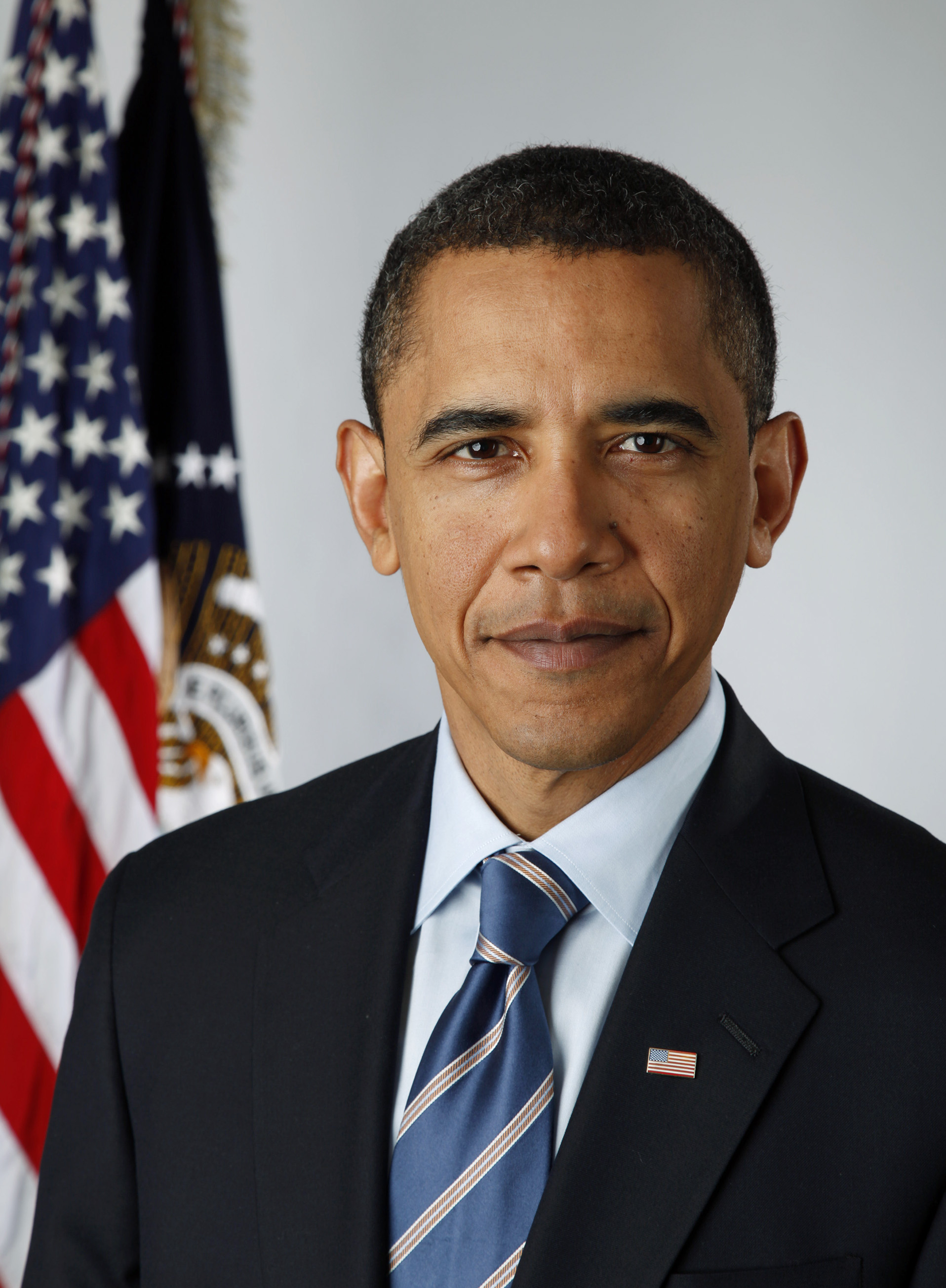
Barack Obama's goal is to pass a massive health care reform bill this year. If he succeeds at achieving this long sought -after Democratic goal, it will become the foundation for his legacy. It may be the single most important achievement that he is remembered for. Ironically, the health care bill he will likely sign will be very different than the health reform plan he campaigned on.
Barack Obama decided to use a hands-off approach in pursuing health care reform. He gave Congress a very basic set of principles and told them to write the bill. This approach has two major advantages. First, it does not repeat the mistakes of the Clinton health care reform effort. Second, it allows Obama to support a bill that may likely break several of his campaign promises.
There appears to be a growing consensus about two issues in health care reform. It seems there is an agreement on all sides that in exchange for mandating all individuals acquire health care, health insurance companies will not be allowed to turn down applicants and must cover pre-existing conditions. The issue of a mandate was the key difference between Barack Obama's and Hillary Clinton's health care plans during the primary. Obama campaigned on not forcing people to acquire health insurance, but the plan he eventually signs will likely contain just that.
Obama originally proposed to pay for health care reform by reducing the rate of deduction for high income individuals. This idea appears dead on arrival. While the consensus is not yet as strong as the consensus for the mandate, indications are that health care reform will be paid for by changing the law governing taxation on employee health insurance. This was an issue in the general election. John McCain supported taxing employee health insurance, and Obama attacked him for it. Like with mandates, here is another issue which Obama campaigned against but will possibly be part of the eventual bill.
The biggest fight over health care reform will probably center on whether to give people the choice of buying a public plan similar to Medicare. Barack Obama, Senator Baucus, and most Democrats have supported offering a public plan. The for-profit insurance companies along with several powerful Republican senators are dead set against it. It was part of Obama's campaign plan and part of a white paper published by Baucus just after the election. Interestingly, the idea for a public plan can't be found on WhiteHouse.gov, HealthReform.gov, or Baucus' senate website. The public plan may eventually be dropped to get a bill passed with broad bipartisan support. If so, the “Obama health care reform bill” that is passed this year will be a very Un-Obama plan.
Time to End Conservatives' Tax Propaganda
I've noticed that many conservatives have recently increased their efforts to spread confusion, distortion, and outright propaganda about America's tax code. Instead of trying to have a real debate about our tax structure, a large group of conservatives have decided it is better to extol disinformation. A dramatic increase in disinformation during the stimulus debate has led me to suspect that the Republican party is hoping to make the tax code an issue in 2010. The heart of their propaganda is based on the technical definition of America's "income tax". If the Democrats are smart, they should change the tax code to redefine any money taken out of an individual's paycheck as "income tax".
In the United States, it is very important to know the difference between the "individual income tax" and the amount of people's income which is taxed. The conservative movement has repeatedly tried to exploit this linguistic nuance. The United States taxes individual's income using two systems: One is the progressive "income tax" and the other is the regressive payroll or FICA tax. Regardless of their official names, both are income taxes by definition because they are taxes on income. While the payroll tax is technically supposed to pay for Social Security and Medicare, this is fiction. The money collected by the federal government all goes to the same place. For years, the government has been raiding the Social Security surplus to pay for other programs.
The individual "income tax" and the payroll tax generate roughly the same amount of revenue for the federal government. The "income tax" accounts for approximately 45% and the payroll tax approximately 35% of revenue. The payroll tax in fact generates over twice as much money as the corporate income tax.
The two most common tax propaganda points expressed by conservatives exploit that fact that the name "income tax" is only one part of the overall taxation on an individual's income. First there is the claim that "Democrats want to give tax breaks (or refunds) to people who don't pay 'income tax'." While true, this is a blatant attempt to deceive. They are trying to make people think that individuals not paying taxes are going to get money from the government. In reality, low-income workers have been paying taxes on their income, just not the "income tax". The tax breaks won't "give" money to people who don't pay taxes but would reduce the amount of their income which is being taxed.
The other common point of propaganda is that the rich are carrying a huge share of the "income tax" burden. Again conservatives use the modifier "income tax" in an attempt to spread disinformation. Conservatives claim that the top 1% of individuals pay 40% of the "income tax" burden and the bottom 50% pay only 3%. Once again, this is only true if you use the modifier "income tax". If you count all taxes, the top 1% of individuals pay only 28% of the tax burden. While one can argue this number is still too high, it is important to argue the facts and not propaganda.
These two talking points have become standard go-to attacks for many conservatives. Both exploit a simple linguistics problem with our tax code. The Democrats should use their new majority to disarm this source of misinformation. There would be no need to change the tax code, just simply rename the "income tax" to something else (my vote is for the "Structured Multiple-Bracket Tax") and define all taxes on an individual's income as the "income tax".
In the United States, it is very important to know the difference between the "individual income tax" and the amount of people's income which is taxed. The conservative movement has repeatedly tried to exploit this linguistic nuance. The United States taxes individual's income using two systems: One is the progressive "income tax" and the other is the regressive payroll or FICA tax. Regardless of their official names, both are income taxes by definition because they are taxes on income. While the payroll tax is technically supposed to pay for Social Security and Medicare, this is fiction. The money collected by the federal government all goes to the same place. For years, the government has been raiding the Social Security surplus to pay for other programs.
The individual "income tax" and the payroll tax generate roughly the same amount of revenue for the federal government. The "income tax" accounts for approximately 45% and the payroll tax approximately 35% of revenue. The payroll tax in fact generates over twice as much money as the corporate income tax.
The two most common tax propaganda points expressed by conservatives exploit that fact that the name "income tax" is only one part of the overall taxation on an individual's income. First there is the claim that "Democrats want to give tax breaks (or refunds) to people who don't pay 'income tax'." While true, this is a blatant attempt to deceive. They are trying to make people think that individuals not paying taxes are going to get money from the government. In reality, low-income workers have been paying taxes on their income, just not the "income tax". The tax breaks won't "give" money to people who don't pay taxes but would reduce the amount of their income which is being taxed.
The other common point of propaganda is that the rich are carrying a huge share of the "income tax" burden. Again conservatives use the modifier "income tax" in an attempt to spread disinformation. Conservatives claim that the top 1% of individuals pay 40% of the "income tax" burden and the bottom 50% pay only 3%. Once again, this is only true if you use the modifier "income tax". If you count all taxes, the top 1% of individuals pay only 28% of the tax burden. While one can argue this number is still too high, it is important to argue the facts and not propaganda.
These two talking points have become standard go-to attacks for many conservatives. Both exploit a simple linguistics problem with our tax code. The Democrats should use their new majority to disarm this source of misinformation. There would be no need to change the tax code, just simply rename the "income tax" to something else (my vote is for the "Structured Multiple-Bracket Tax") and define all taxes on an individual's income as the "income tax".
Subscribe to:
Posts (Atom)
LinkWithin
